Carefully handpicked models
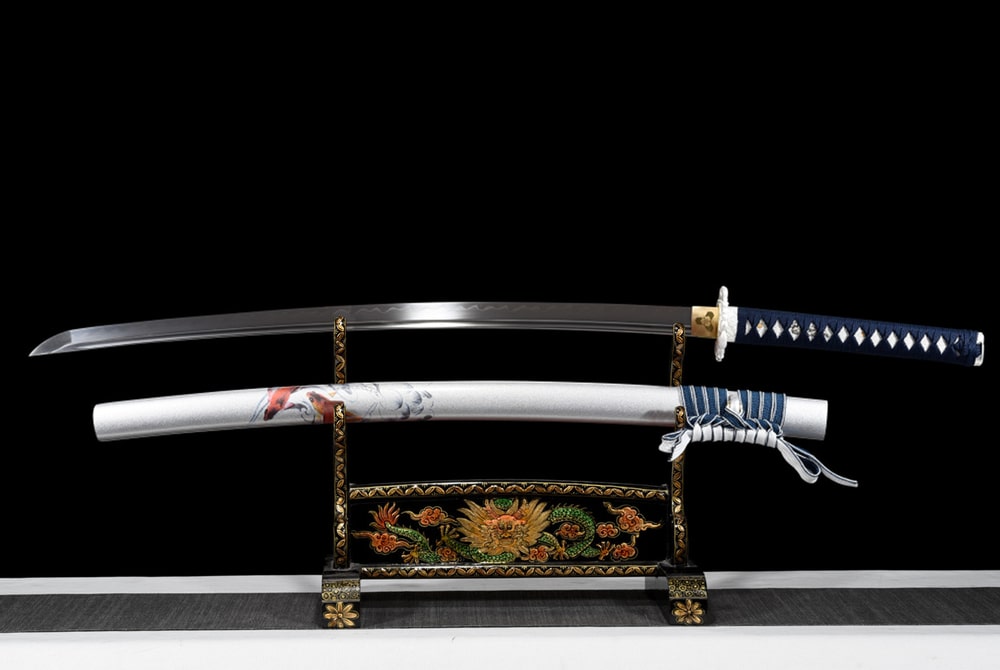
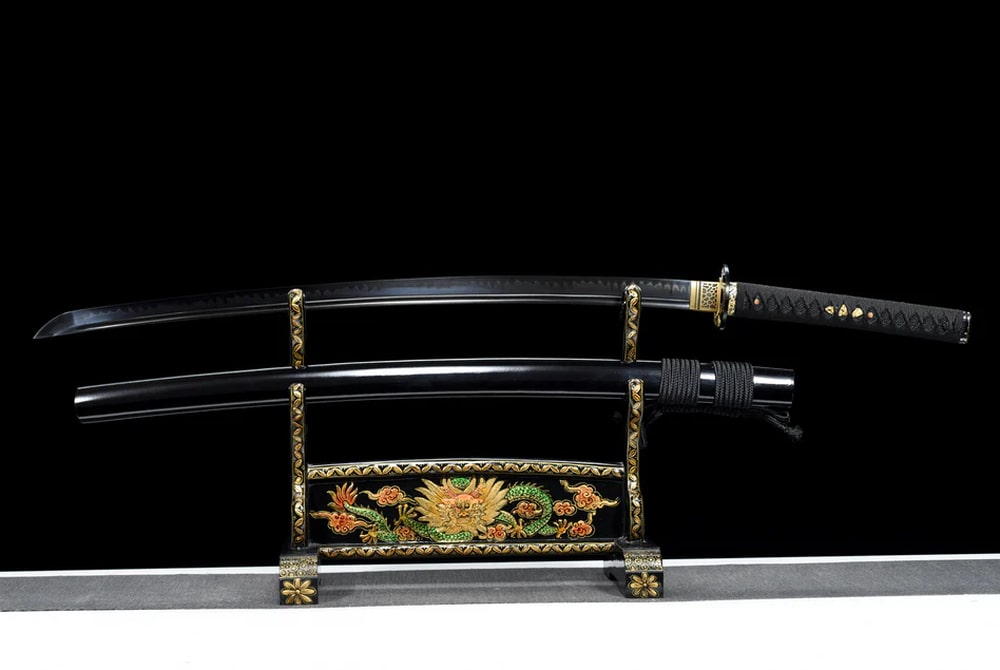
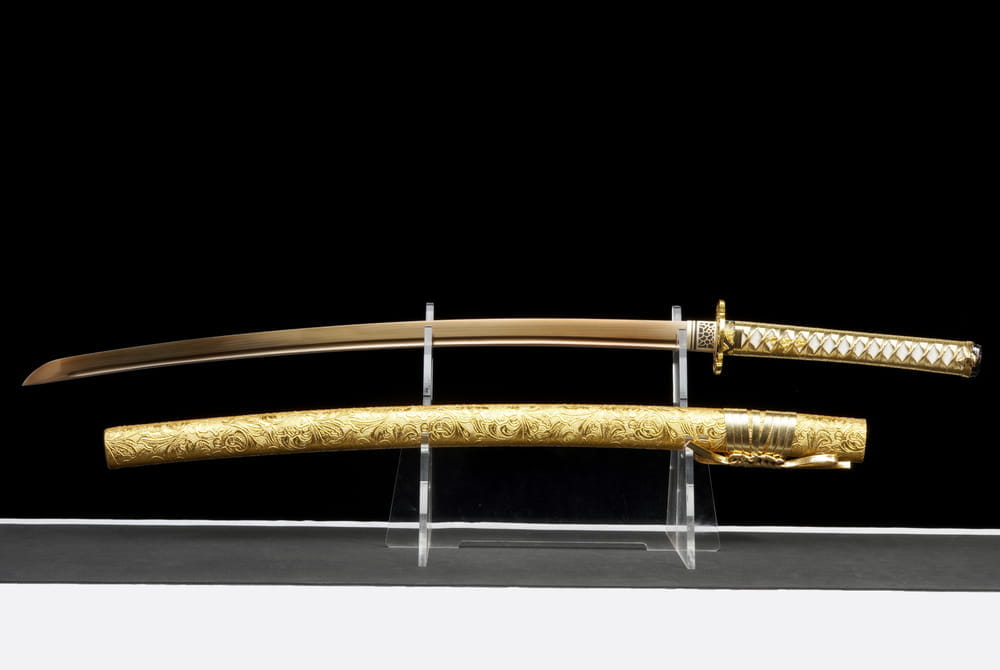
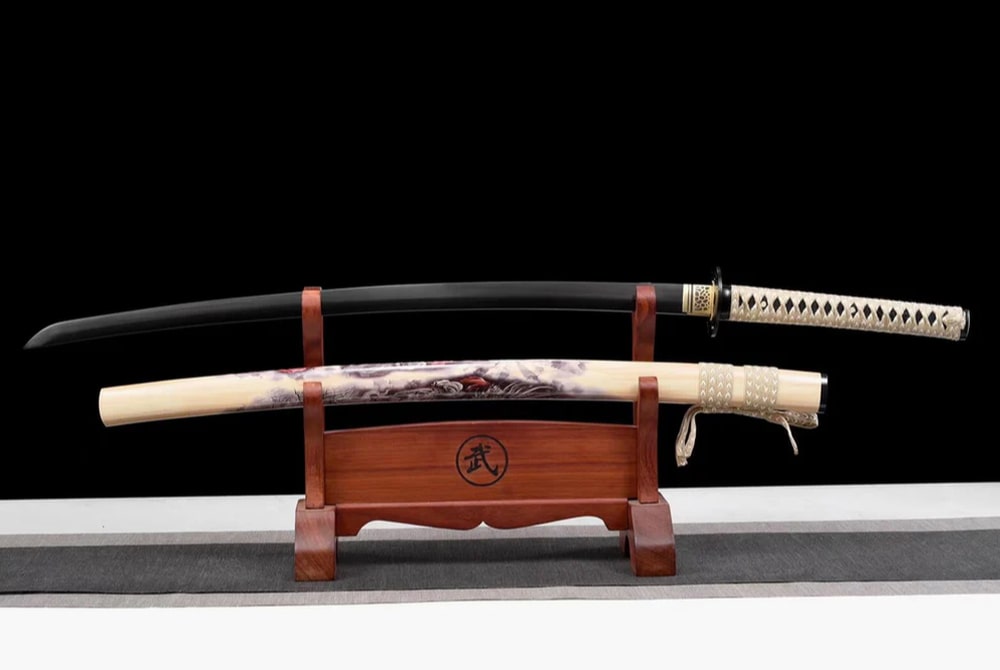
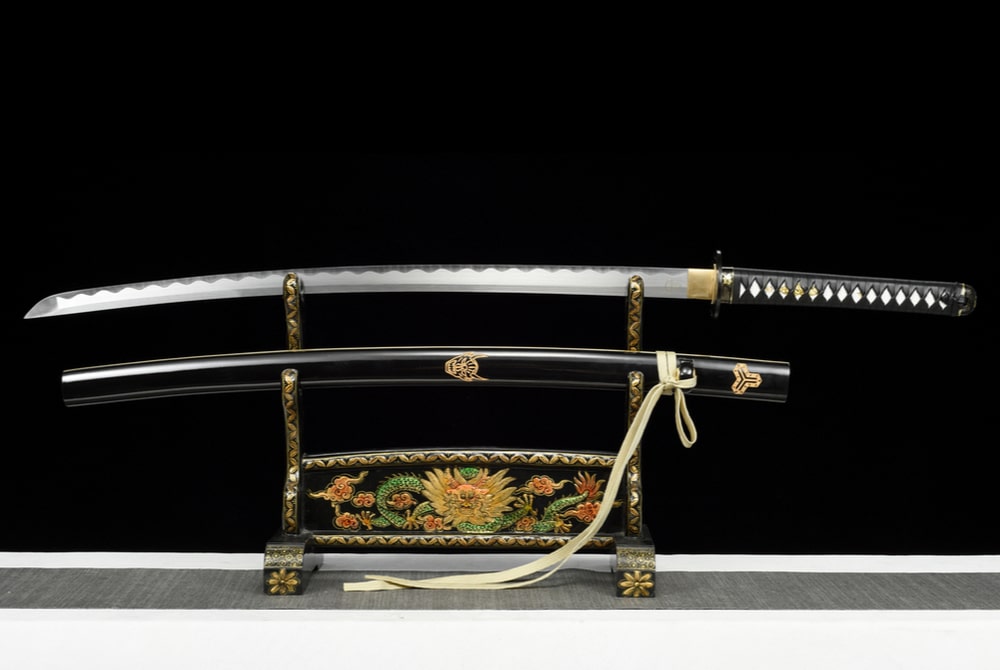
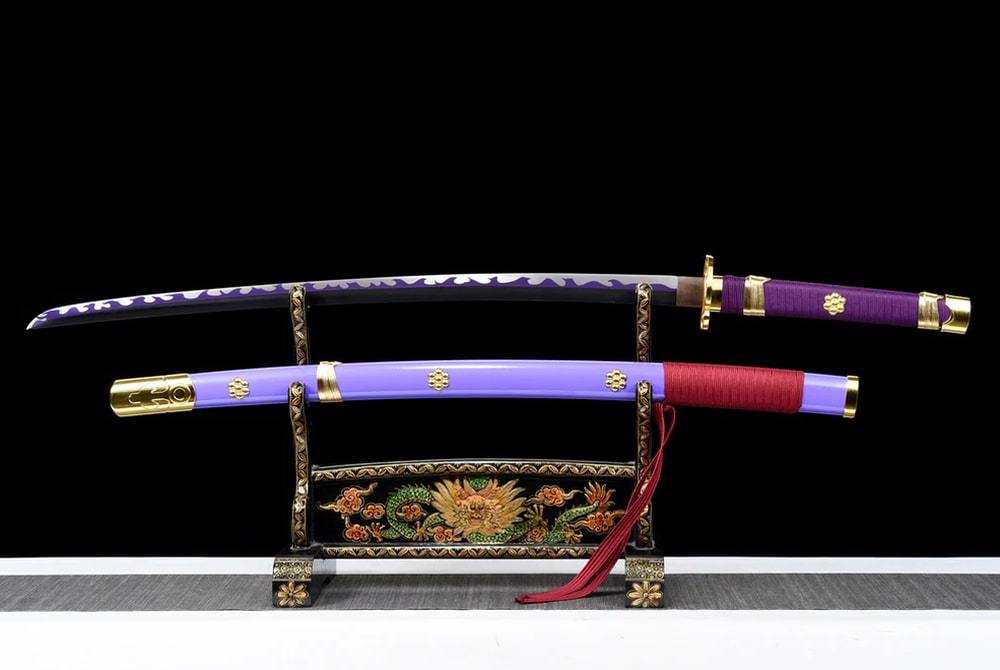
Every katana is selected for its design, visual balance, and finish — so we can offer Japanese swords that appeal to both passionate enthusiasts and serious collectors.
Discover authentic Japanese katanas, hand-forged by skilled craftsmen using time-honoured traditional methods — a perfect blend of ancestral mastery, elegance, and genuine craftsmanship.
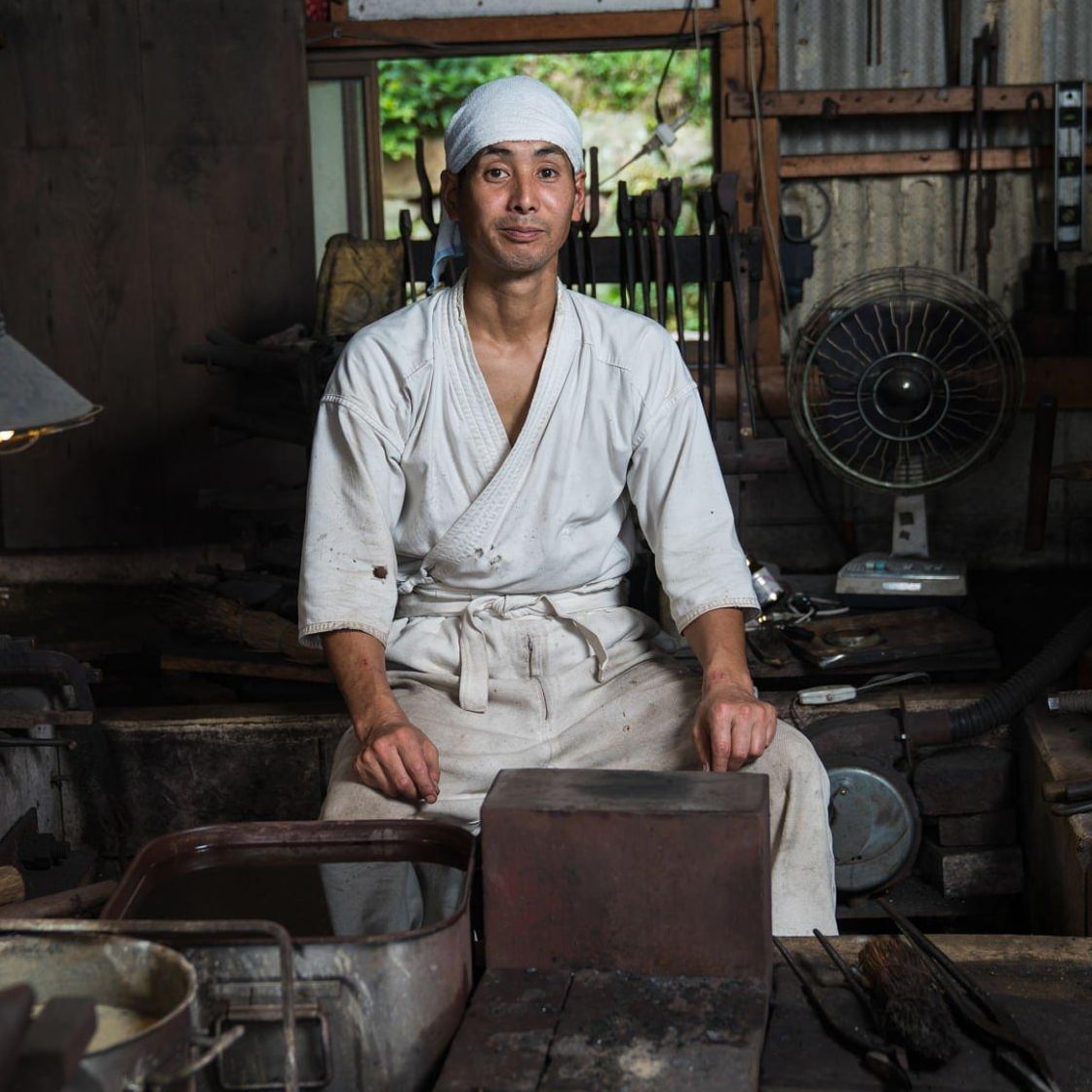
Our katanas are hand-forged by master craftsmen in the purest Japanese tradition. Each blade is meticulously crafted by expert blacksmiths, following ancestral techniques handed down from generation to generation. Discover the elegance and power of Japanese swords with our unique collection.
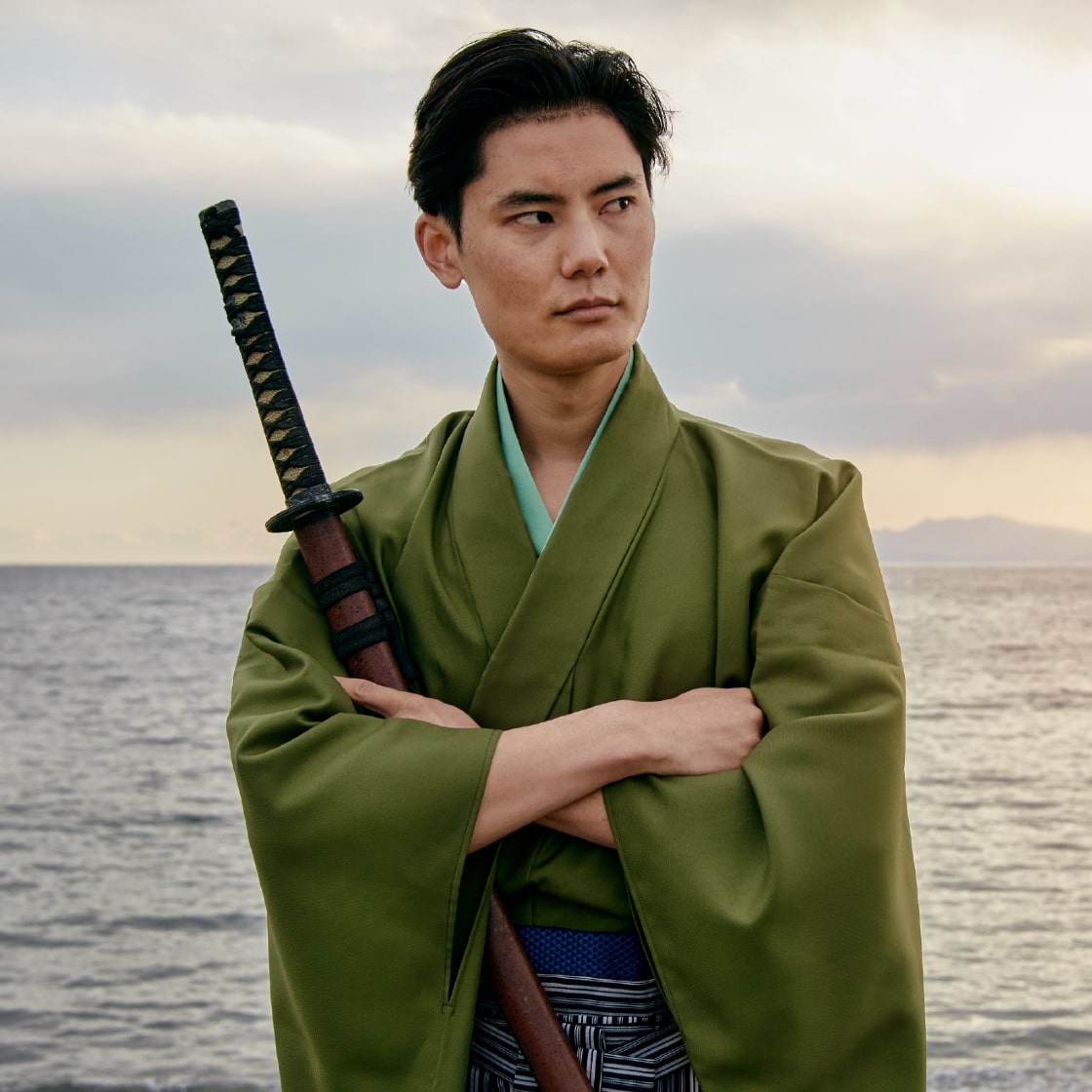
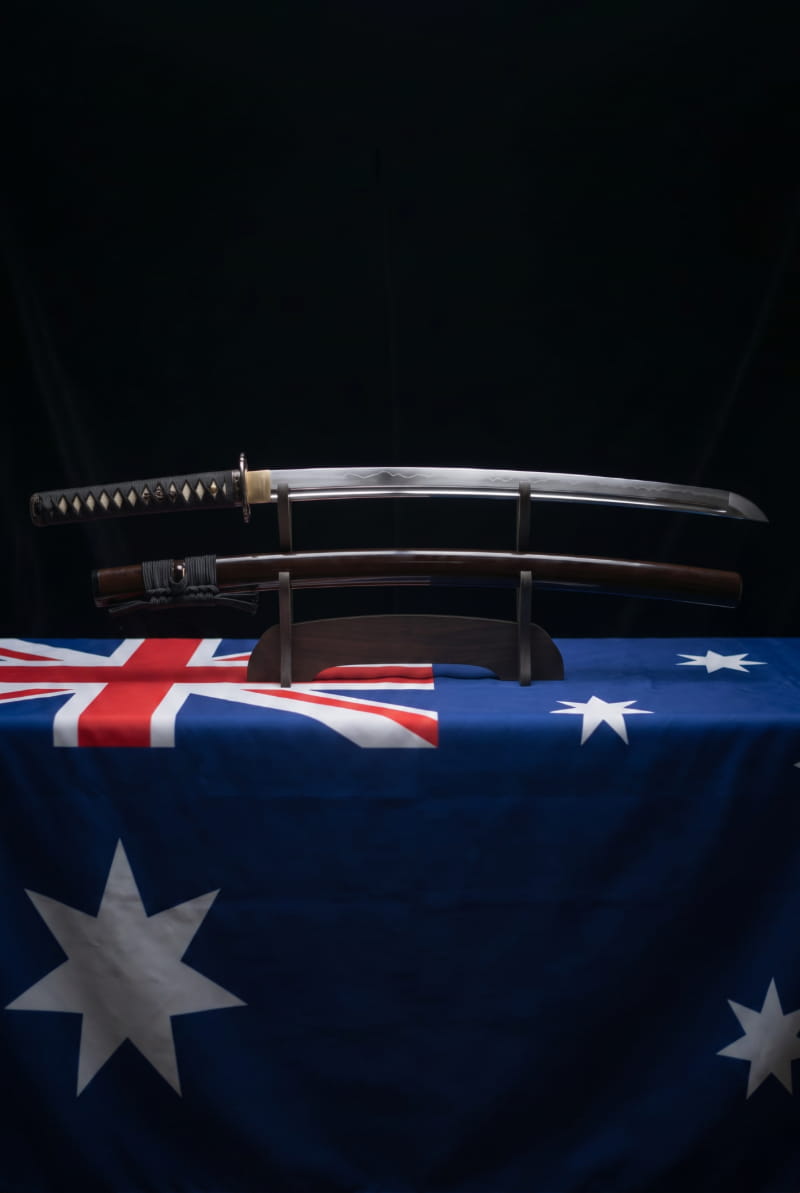
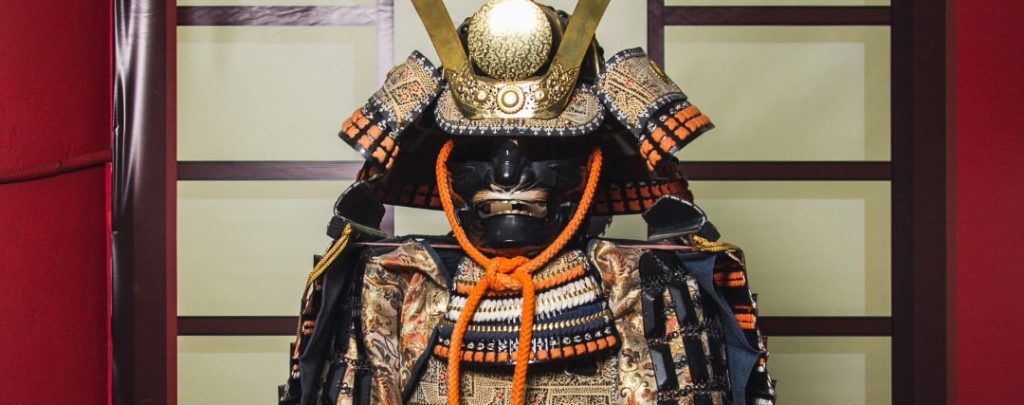
Unlock the secrets of ancient Japan with the finest Japanese katanas in Australia! As the leading purveyor of these iconic swords, we take pride in offering you an unparalleled selection that showcases the pinnacle of craftsmanship. Each katana exudes the spirit of the samurai and is crafted using traditional Japanese techniques. Embrace the beauty and mystique of these artful pieces, whether adorning your home decor or expanding your prized collection. Our store is a haven for enthusiasts and connoisseurs alike, seeking the ultimate symbol of Japanese culture and honor.
The first katanas were forged by hand. To respect this age-old heritage, we have chosen to continue practicing this technique. Tempering is also carried out in the traditional way, in water at extreme temperature, to make the blade very hard and resistant. In addition, all our katana models are hand-forged, in accordance with ancestral traditions, to offer you the finest quality. A hand-forged blade will always remain the best workmanship. And that's what makes it such a unique sword.
Discover our exceptional selection of Katanas for sale! Our boutique is your ultimate destination to find the Japanese Katana of your dreams. Each of our swords is meticulously handcrafted, reflecting the Japanese tradition of elite craftsmanship. Explore our extensive catalog, packed with steel options, styles, forging methods and sizes to help you find the Katana that best suits your tastes and needs. Among our steel choices, you'll find options such as T10 Steel, 1065 Steel, and 1045 Manganese Steel. Each of these materials offers distinct characteristics, guaranteeing a unique experience for every Katana enthusiast.
Interactive guide
Answer a few quick questions and discover the collection that fits you best: traditional katana, anime sword, tanto, ninjato, or a premium piece.
Step 1 / 4
Your recommendation
Your perfect collection will appear here once you complete the guide.
Authenticity • Tradition • Passion
Katana Sword handpicks Japanese swords inspired by authentic Nipponese craftsmanship — crafted for fans of Japanese history, collectors, and lovers of elegant, statement pieces.
Every katana is selected for its design, visual balance, and finish — so we can offer Japanese swords that appeal to both passionate enthusiasts and serious collectors.
Our Japanese swords draw inspiration from traditional forging methods, delivering elegant pieces with a bold, unmistakable identity.
Anime katana, traditional katana, wakizashi, or display sword — explore a wide range of collections brought together in a premium world inspired by Japan.
Australian Legal Status
Yes, owning a katana is legal across most of Australia for adults 18 and older — but rules vary significantly from one state or territory to another. In NSW, Queensland, Western Australia, Tasmania, the ACT and the Northern Territory, you can freely own a katana without a permit. Only Victoria and South Australia (since 1 July 2025) require a Prohibited Weapons Permit or exemption. The key takeaway: always check your state's specific requirements before purchasing.
In New South Wales, Queensland, Western Australia, Tasmania, the ACT and the Northern Territory, any adult aged 18 or older can legally buy and own a katana — no permit, no licence, no registration required. This covers roughly 75% of the Australian population. Most retailers require an adult signature upon delivery, and proof of age may be requested before the order is dispatched.
Victoria classifies katanas as prohibited weapons under the Control of Weapons Act 1990 — you must hold a Chief Commissioner's Prohibited Weapons Approval or qualify for an exemption (collectors, martial arts practitioners, historical reenactment groups). South Australia joined the list on 1 July 2025, classifying swords as prohibited weapons under the Summary Offences Act 1953, with penalties up to $20,000 fine or 2 years imprisonment for possession without exemption. Exemptions in SA exist for collectors, sporting use, heirlooms and recognised purposes.
Across all states and territories, carrying a katana in public is only allowed with a legitimate or "reasonable excuse" — such as travel to a dojo, a sanctioned event, or a historical reenactment. Self-defence is not considered a valid reason under Australian law. Concealed or disguised blades such as sword-canes are classified as prohibited weapons nationwide and require a special permit. Always transport your katana sheathed in a secure case, out of immediate reach.
Knowledge & guides
Find answers to the most common questions about the Japanese katana: its origins, craftsmanship, care, authenticity, and customization.
The katana embodies the perfect balance of tradition, precision, and aesthetics. This section helps you fully understand this iconic sword before choosing your own piece.
The katana (刀) is a Japanese sword with a curved blade, traditionally carried by the samurai warriors. Crafted from high-quality steel and forged using centuries-old techniques, the katana is renowned for its sharpness, durability, and deep cultural symbolism.
Yes, the katana is a sword, but it has distinct features that set it apart from other types of swords. Originating from Japan, the katana is defined by its curved, single-edged blade, long handle, and unique guard. It's designed to be wielded with precision and speed, making it the iconic weapon of Japanese warriors — especially the samurai. Its traditional manufacturing process, including the technique of differential hardening, contributes to its reputation for precision and durability. The katana is also deeply tied to the samurai code of honour, the bushido, which emphasises values such as loyalty, courage, and integrity.
Its traditional manufacturing process, including the technique of differential hardening, contributes to its reputation for precision and durability. The katana is also deeply tied to the samurai code of honour, the bushido, which emphasises values such as loyalty, courage, and integrity.
If you're looking to buy an authentic Japanese katana, you're in the right place! Our high-quality katanas are hand-forged and fully functional, crafted in Asia following the Japanese tradition. Every blade is carefully shaped by our highly skilled artisans.
A Full Tang katana is a katana where the tang (the metal part of the blade) extends all the way through to the end of the handle. This ensures a solid, well-balanced construction, delivering greater durability and precise handling. All of our katanas are built with this feature, guaranteeing exceptional quality and performance.
Yes, our katanas are authentic and certified. Every blade is hand-forged in Asia, strictly following Japanese tradition. Our highly skilled artisans use centuries-old techniques to ensure exceptional quality. On request, we can also provide a detailed certificate of authenticity, including a precise description of the katana's configuration along with the maker's signature.
To care for your katana, wipe the blade with a clean, dry cloth after every use. Apply a specific katana oil to the blade to prevent corrosion. Store the katana in its scabbard (saya) to protect it from dust and humidity. Avoid touching the blade with bare hands to prevent staining. Inspect the blade regularly for any signs of damage.
Avoid touching the blade with bare hands to prevent staining. Inspect the blade regularly for any signs of damage.
When placing your order, you have the option to customise your katana by engraving the text of your choice directly onto the blade. Our team of highly skilled artisans guarantees a precise and long-lasting engraving, giving you the chance to add a truly unique touch to your katana.
Buying guide
Every steel has its own character: some are made for display, others for cutting, training, or prestige pieces. This guide helps you compare blades before choosing your Japanese sword.
Steel comparison
Durability • Sharpness • PrestigePerfect for discovering the Japanese sword, decorating a room, or starting out with a great balance between price and quality.
A top choice for anyone looking for a sharper, more reliable blade built for more demanding use.
For a rarer, visually striking, and symbolic piece — designed for collectors and lovers of traditional forging.
Display • Getting started
Manganese steel is valued for delivering a great-looking, sturdy, and affordable katana. It's perfectly suited for a decorative piece, your first taste of the Japanese sword, or light, non-intensive handling.
Balance • Beginner-friendly
1060 steel offers a great balance between strength, edge retention, and affordability. It's often recommended for stepping up to a more serious katana, capable of handling regular use and light cutting practice.
Cutting • Performance
T10 is a high-carbon steel known for its long-lasting sharpness and wear resistance. When properly forged, it delivers excellent cutting performance and a traditional finish that collectors love.
Aesthetics • Collecting
Damascus steel stands out for its unique wave-like patterns. Every blade has a one-of-a-kind look, making it an excellent choice for a collection or a truly eye-catching display piece.
Technique • Mastery
San-Mai uses a layered construction: a hard core for cutting and softer outer layers to absorb impact and stress. It's a highly respected build that combines performance and reliability.
Tradition • Prestige
Tamahagane is the ultimate traditional Japanese steel. It's prized for its prestige, its living grain, its rich history, and the master-level craftsmanship required to forge it.
Before you buy
For beginners, 1060 carbon steel is often an excellent choice. It offers a great balance of strength, affordability, and feel — without jumping straight into the most prestigious steels.
For cutting-focused use, T10, San-Mai, and Tamahagane are the most suitable options. They offer better edge retention and higher performance depending on the quality of the forge work.
For display, manganese steel and Damascus steel are particularly appealing. Manganese stays affordable and durable, while Damascus stands out thanks to its unique patterns.
Not necessarily. The best choice mostly depends on how you'll use it. A display katana doesn't need the same steel as a sword built for cutting practice or a high-end collector's piece.
The term “katana” is now commonly used to refer to all Japanese swords, but originally, it referred to just one specific type among many. In fact, there are several kinds of swords, each with its own purpose and very distinct characteristics. However, the term katana has become iconic over time and lost some of its original specificity. The katana is the sword with a blade measuring over 60 cm, or 2 shaku (a traditional Japanese unit of measurement, equivalent to 30.2 cm), and it's the one most commonly depicted in images of samurai. It is typically paired with a wakizashi, a shorter blade with more compact dimensions. This pair is called a daishō and represents the traditional sword set of the samurai.
The katana is therefore the most iconic weapon of the samurai — the most representative, whether or not it's accompanied by a wakizashi. For those seeking the purest embodiment of the samurai spirit, we recommend choosing a traditional katana with a blade over 60 cm long. If you're looking to purchase your first Japanese sword, this is the most authentic item tied to the samurai class, making it a very wise first acquisition. It’s the ideal piece to start a collection. Later on, you can always expand your collection with lesser-known Japanese swords or proudly display a complete daishō.
Japanese culture & tradition
Learn more about the Japanese katana
Discover the history of Japanese swords, the different blade types, traditional forging methods, and the role of the katana in modern Japanese culture.
The katana, an iconic emblem of Japanese culture, embodies a rich historical legacy and a craftsmanship heritage deeply rooted in the history of feudal Japan. Its development was shaped over centuries by tradition, warfare, and the constant refinement of the forging arts.
The history of the katana traces back to the 9th century, when its earliest predecessors — known as tachi — were in use. Tachi were curved swords carried by mounted samurai warriors. They were forged from high-quality steel, often folded multiple times to enhance both strength and flexibility. Over time, forging techniques became increasingly refined, eventually giving rise to the katana as we know it today.
The golden age of the katana came during the Edo period (1603–1868) — an era of relative peace in Japan, when samurai served primarily as bureaucratic officials rather than active battlefield warriors. This period saw the rise of great master smiths, including members of the legendary Masamune and Muramasa families, whose work is still revered today for its exceptional quality.
Crafting a katana is a complex and painstaking process that involves several stages: forging, hardening, and polishing. Sword smiths — called "tōshō" in Japanese — were highly specialised craftsmen who devoted their entire lives to mastering this art. Every katana was one of a kind, carrying the unmistakable marks of its maker and telling its own story through its shape and patterns.
For the samurai, the katana was also a symbol of status and honour. It was seen as an extension of their soul, and tradition required them to take part in religious rituals before carrying it into battle.
While the katana has long since left the battlefield, its legacy lives on through its enduring popularity as an art object and collector's item. Collectors around the world seek out authentic pieces for their historical and aesthetic value, while practitioners of traditional Japanese martial arts continue to train with the katana as a symbol of tradition and discipline.
The price of a katana can vary dramatically from one piece to another, and the range is wide. The finest antique swords made in Japan can climb as high as $75,000, depending on their complexity and level of detail. That's a serious investment that only a few collectors can afford. Naturally, it's the oldest pieces that command the highest prices: antiques are rarer, and they required far more intensive work, since the steel produced long ago in the Land of the Rising Sun was of lower quality than today's.
Modern katanas are still forged according to traditional Japanese standards, but they take less time to produce. This brings down the cost and makes the katana far more accessible. That's why our store can offer you traditional, hand-forged katanas of outstanding quality without breaking the bank. Our entry-level Japanese katanas start at $225, and our most elaborate pieces top out at around $7,500. Explore all our styles of Japanese swords in our online shop.
The wakizashi belongs to the same family as the original katana. It features a similarly curved blade, but a shorter one. While merchants were allowed to carry a wakizashi, the katana was reserved exclusively for the samurai — who typically carried both types of swords. The wakizashi was generally used in indoor or confined spaces, while the longer katana was meant for the open battlefield.
Today, the wakizashi has a clear advantage: it's less imposing and takes up less space. That's a real plus for anyone who doesn't have a large room or enough wall space to display a Japanese sword. On the other hand, if you have plenty of room — or you want to make a real statement — go for a daishō: the traditional pairing of a full-sized katana with its matching wakizashi.
With a blade length of less than one shaku — meaning under roughly 30 cm — the tantō is another iconic Japanese sword closely associated with the samurai. Outside of that warrior class, very few people carried one. Like the katana and the wakizashi, the tantō was worn at the belt, though sometimes concealed in clothing — particularly by samurai wives. Its structure mirrors that of the katana, but with a much shorter blade that doesn't even reach half the length of a katana's. The curvature is also much less pronounced. The tantō still features a tsuba, the traditional handguard.
The tantō is the perfect choice for anyone who prefers shorter blades. For those who want to own one of the symbols of feudal Japan and the samurai era, the tantō makes for a perfectly suited art piece. Thanks to its compact size, it's more discreet than a katana — yet it still reflects your appreciation for the values of the bushidō.
From early on, martial arts schools began using wooden swords for training, allowing samurai to practise combat safely. The wooden katana — also known as the bokken or bokutō — went on to find a place in many other martial arts, and that's still the case today. Aikidō, Kobudō, and traditional Jiu-Jitsu are among the disciplines where these wooden swords are regularly used.
The benefit of these traditional Japanese swords is obvious: they're easy and safe to handle. That can be especially useful if you're worried that young children might be tempted to take a closer look at your samurai sword. More broadly, it's always a smart move for beginners to start their training with a bokken — a word that literally means "wooden sword." The wooden katana remains an iconic object that channels the spirit of the samurai.
Fans of Japanese culture — and especially anime — know it well: samurai swords play a central role in countless manga.
In the gripping world of Demon Slayer, katanas take centre stage. Every main character has their own unique katana, forged with painstaking care to reflect the essence of their battle. Take the Demon Slayer katana of Tanjiro Kamado, the unwavering protagonist: it stands out with its deep black colour — a symbol of his determination to wipe out the demons and protect those he loves.
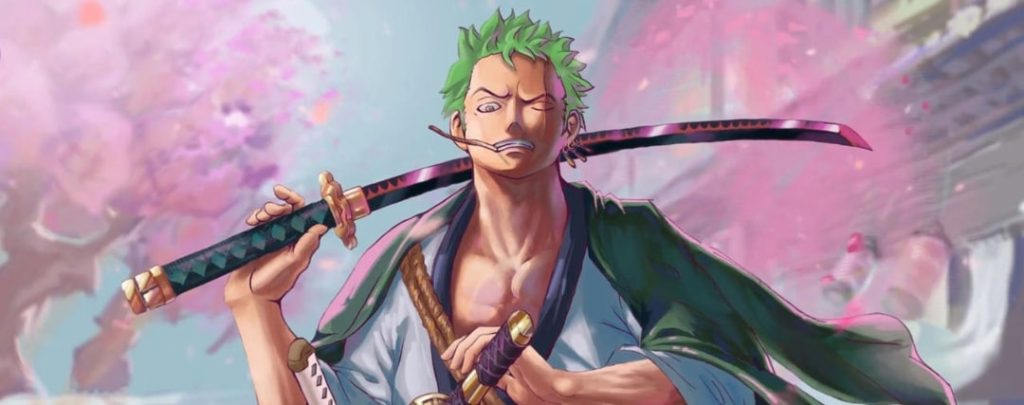
In the vast world of One Piece, katanas are among the most coveted treasures. Legendary blades like Shusui or Roronoa Zoro's three-sword style showcase the richness and diversity of this universe. Each One Piece katana carries its own story and mystical power — embodying the courage and resolve of the pirates sailing the stormy waters of the Grand Line.
In the world of Naruto, Sasuke's katana represents inner conflict and the quest for redemption. A former member of the Uchiha clan, Sasuke wields the legendary Kusanagi katana. Passed down from one generation to the next, this sword symbolises the bond with his ancestors and the inherited power of the clan. For Sasuke, the Kusanagi becomes the symbol of his journey, his pursuit of strength, and his desire to restore his clan's honour after its downfall.
There's a whole category of katanas inspired by the worlds of the most beloved heroes. For anyone looking to capture the spirit of their favourite stories, this is exactly the style for you. Find your manga katana — the one that pulls you into another world: the world of your books, anime, and video games.
The making of Japanese swords has barely changed since feudal times. It's still a sequence of complex steps, culminating in this hand-forged masterpiece. The katana's blade is made of multiple layers of composite steel, itself produced from raw steel. The outer shell consists of several "laminated" layers — and so does the inner core, which is softer than the outer shell. The core and the shell are then welded together through a manual forging process.
Next comes selective hardening — the process that gives the blade its signature curvature. To do this, the Japanese master smith coats the blade with a clay mixture before plunging the rough blade into extremely hot water. The water is heated to over 800°C, so the back of the blade — called the mune in Japanese — can bend. The final step is polishing. It's carried out by a specialist craftsman known as a togishi master. He polishes the blade for as long as it takes, using volcanic stones with progressively finer grits.
The very heart of traditional katana craftsmanship lies in the use of Tamahagane steel. This unique Japanese steel is produced through a meticulous smelting process that creates layers of steel with varying carbon levels. The method removes impurities and balances out the carbon content, strengthening both the toughness and the flexibility of the blade. The age of the steel also plays a key role: older steels with higher oxygen levels tend to produce stronger blades, because they are easier to forge and refine during hammering.
While purists often favour Tamahagane, modern katanas frequently rely on 1060 high-carbon steel. This type of steel strikes an ideal balance between strength and edge retention, making it a favourite among both martial artists and collectors. This more affordable option still delivers a quality blade that can hold up to demanding use.
Beyond Tamahagane and 1060 carbon steel, several other steel types are also used, each with its own distinct properties. 5160 steel, for example, is known for its low chromium content, which makes it exceptionally durable — ideal for heavy-duty use. High-manganese steel also offers interesting properties, adding to the strength and resilience of the blade. T10 steel, meanwhile, is recognised for its very high carbon content, which gives it remarkable hardness — though with slightly less flexibility than other steel types.
A katana is far more than just an object — it's a masterful assembly of specialised components, each one playing its own essential role.
Nagasa: The length of the blade, which determines its reach and potential.
Sori: The curvature of the blade, crucial for balance and handling.
Kissaki: The tip of the blade, key to both its function and aesthetics.
Mei: The signature, a testament to the craftsmanship and authenticity of the blade.
Yasurime: The file marks on the tang, which influence the look and improve the grip.
Horimono: The decorative or symbolic engravings on the blade, reflecting the katana's history or personality.
Hamon: The line created during hardening, giving the blade a distinctive touch and revealing its character.
Habaki: A wedge-shaped metal collar that secures the blade inside its scabbard (saya).
Seppa: Metal washers that stabilise the tsuba.
Tsuka-ito: The wrapping that covers the handle.
Mekugi: A bamboo peg that locks the blade to the handle.
Fuchi: A metal sleeve that reinforces the end of the handle.
Kashira: The cap at the end of the handle.
Menuki: Decorative ornaments placed under the tsuka-ito, combining function and aesthetics.
Samegawa (Same-hada): The stingray skin placed under the tsuka-ito for a better grip.
Saya: The wooden scabbard that protects the blade.
Koiguchi: The opening of the saya.
Kurigata: The fitting that attaches the sageo to the saya.
Kojiri: The end of the saya.
Tsuba: The handguard.
Kozuka: A small utility knife housed in the saya.
Kōgai: A decorative skewer stored in the saya.
Mekugi-ana: The holes through which the mekugi pegs pass.
Shitodome: Small metal fittings that reinforce the sageo.
Kaeshizuno: A small hook used with the sageo to secure the sword in the belt sash.
A Japanese katana is one of the most beautiful gifts you can give. It blends the charm of a centuries-old tradition with timeless modern appeal. Who, among the younger generations, doesn't know and admire the values of the samurai? Over the past 30 years or so, Japanese culture has gained a level of popularity in the West that echoes the fascination with American culture in the 1970s and 1980s. Just look at the success of events like the Japan Expo every year. Manga, martial arts, and cosplay have well and truly stepped into the spotlight.
This culture inspires admiration and passion through its core values — honour, courage, and loyalty. Giving a katana is a way of embracing those values yourself, while also showing deep appreciation for the person receiving it. On top of that, a katana is a valuable art object, since it's still hand-forged today. It's a one-of-a-kind piece, made through a process that's been passed down for around 600 years — a stunning testament to centuries of craftsmanship.


